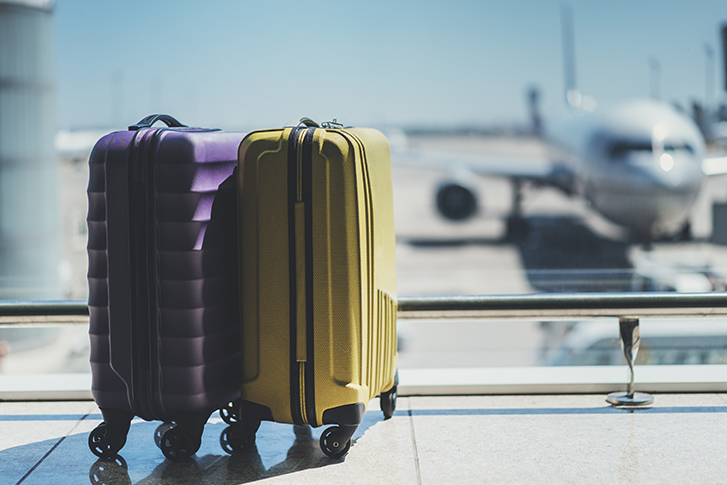
Moving home, starting university, or visiting family often leads to the same last‑minute question: how can I fit everything into my suitcases? When the airline scale flashes red, travellers quickly decide to pay for excess baggage to India. Others call a trusted courier and send a parcel to India instead. Both choices can work well, yet certain items almost always create problems when they travel as extra luggage. Customs officers may confiscate them, airlines may refuse them at the counter, and insurance rarely covers the loss. In many cases, the items are completely legal, but only with the right packaging, proper paperwork, and often by the right mode of transport.
This guide explains in clearly which 10 everyday items you should never hide in your extra luggage. We looked at the latest airline safety lists, courier guides and Indian customs rules, so you don’t have to. Read on, and keep these tips handy before you book extra kilos or wave goodbye to a courier van.
Airlines must follow global safety rules. If something can catch fire, explode, spill or break easily, it is a risk for everyone on board. The airline’s list of banned items applies to all checked bags, not only to the free allowance. Paying more weight does not change the safety rules. When staff see a risky item on the X‑ray screen, they have two choices: remove the whole bag or take the item out. Both actions can delay your flight. In some airports, your bag may or may not reach India on a later plane.
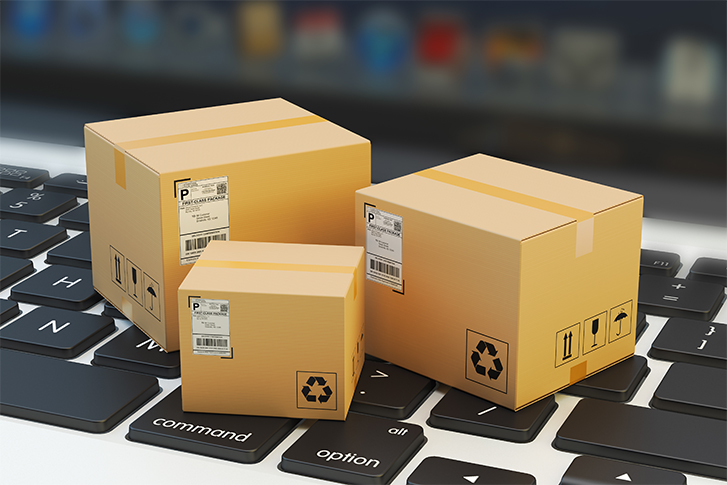
A single parcel is wrapped, scanned and stamped with a clear label. That label tells customs and handlers exactly what is inside. If an item needs special care, a courier can add the right liner, ice pack or warning sticker. That control is hard to get with mixed luggage. Sending a parcel may also cost less in the long run. Add up airline extra‑kilo fees, trolley hire, taxi surcharges for big suitcases and the price of a strong suitcase itself. The gap between the two options is often smaller than you think.
Deodorant, hair spray, air freshener—anything with gas inside can leak or pop in the pressurised hold. Airlines allow only small personal amounts in carry‑on bags. Packing many full‑size cans in checked luggage breaks that limit. The safer choice is to buy new cans after you land or ship sealed cans through a courier that can handle small, dangerous goods.
Lithium batteries can catch fire if their metal ends touch. Most cabin rules say they must travel in hand luggage, not in the hold. When you hide batteries in a thick suitcase, staff cannot see how many are inside, so they may remove your bag. Keep small spare batteries in your carry‑on, and send big power banks by a courier that accepts them.
Big shampoo, conditioner, or lotion bottles often burst under pressure or rough handling. A leak can soak clothes and the bags of other passengers. Airlines sometimes remove oversized bottles during random checks. Ship family‑size toiletries upright in a cardboard box, wrapped in leak‑proof bags, or simply buy new ones after you arrive.
These products have high alcohol content and are flammable. Every airline sets a different limit. Pack a few travel bottles in your handbag if you need them. Do not fill a suitcase with glass perfume bottles. A courier can move sealed bottles if they carry the right labels. Otherwise, wait and purchase fresh bottles in India.
Checked bags move on long conveyor belts. They are stacked heavily on top of each other. Screens crack, internal parts shake loose and corners chip. Most airlines will not pay compensation for electronics packed in luggage. If you must send a large device, place it in its rigid carton with foam blocks and ship it as a parcel. It will cost less than buying a new screen later.
Food that needs cool air begins to spoil during the long wait between check‑in and baggage claim. Indian customs also ban some animal and plant products. Dry snacks like biscuits travel fine in your suitcase. Anything that melts, leaks oil or smells strongly should travel by a food courier or stay at home.
Carrying a few tablets for personal use is fine. Tucking bulk packs of pills in an extra bag is risky. Customs may think you plan to sell them. Keep essential medicine in your handbag with a doctor’s prescription. Ship only those medications you can prove are personal, and place a copy of the prescription on the outside of the parcel box.
Small valuables are magnets for theft. Airline coverage for lost luggage is low and rarely pays for gold or diamonds. Always carry jewellery in person or use a security courier with tamper‑proof bags and a signature on delivery. Never drop rings or watches between socks in checked luggage.
Indian rules limit how much foreign money you may bring without a declaration form. Hiding cash in luggage is unsafe and can lead to seizure. Use a legal money‑transfer service or carry only the allowed amount in your cabin bag with the right form.
Wood carvings, old coins and antique plates can trigger heritage checks. If officials think the object is important art, they will seize it until you show export papers. Send valuable heritage items by a professional art shipper, with proof of age and ownership. Do not squeeze them into a suitcase wrapped in a towel.
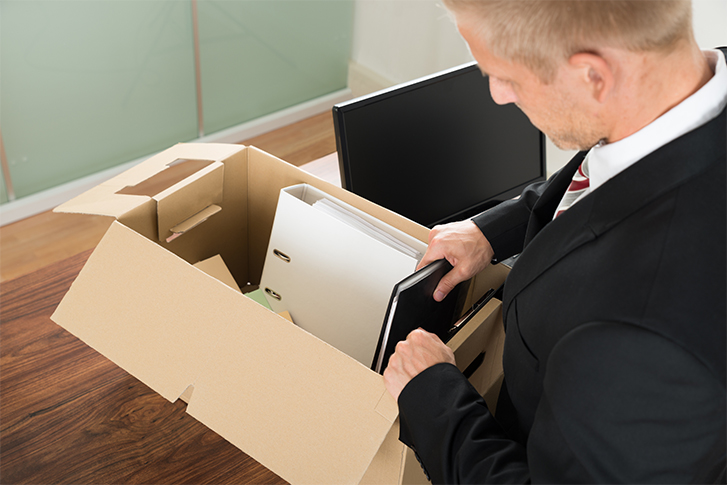
Here are some benefits when choosing courier service to India instead of extra luggage:
If you have a tight layover, travel with children, or move house, shipping a parcel can remove stress. You fly stress free and save time at both ends.
Paying for Excess Baggage to India is easy. But packing the wrong item inside that bag can turn easy into costly. Follow the above rules, and think twice before you throw aerosols, batteries or fine jewellery into a suitcase that will be tossed and stacked by strangers. For anything fragile, flammable or valuable, a well‑labelled Parcel to India is often the smarter plan. It may even save you money when you add up all the hidden costs of extra luggage. Choose wisely, travel calmly, and let your belongings reach India safely. Safe journey and happy Shipping!