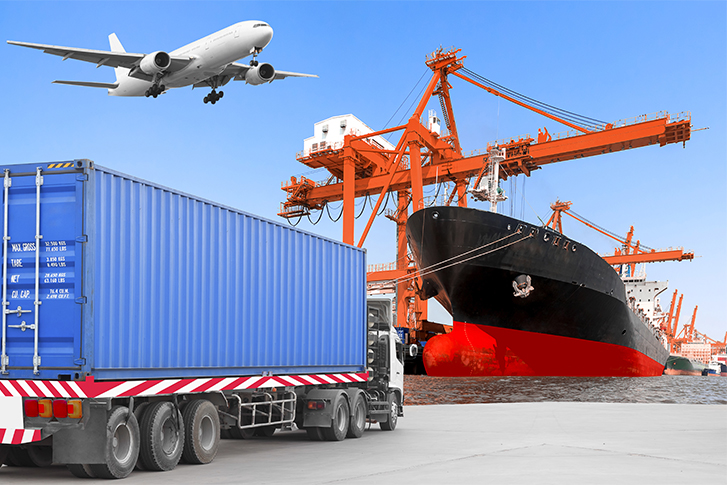
If you are sending your cargo to India from UK, it should not cost a fortune. Every year, thousands of families, students and small businesses send their parcels to Indian cities like Mumbai or Chennai from the UK. If you choose the wrong service or fail to fulfil the customs rules requirements, it can turn your affordable shipment into a costly nightmare. But you don’t need to worry because by adopting simple practices, you can send your cargo to India affordably while ensuring your goods reach India safely. In this blog, we will share some of the simple secrets, like air and sea freight, knowledge of India’s latest customs rules & regulations, expert packing tips, transit time, etc., that can help you ship your cargo to India from the UK without breaking the bank.
The method you choose to send cargo to India is the biggest driver of cost. Sea freight is generally the cheapest for large or heavy consignments. Sea voyages from the UK to India typically take about 3 to 4 months, though the exact transit time depends on the ports used, the weight of the goods and their nature. Sea freight rates are charged per cubic metre (CBM) and can be as low as around £1 per kilogram for very large consignments. Because shipping by sea takes weeks, it is best for non-urgent goods, large household moves or commercial equipment.
Air freight costs more but is much faster. Door-to-door air cargo from UK to India can arrive in 10–15 working days, while airport-to-airport delivery can be as quick as 5–10 working days. Express air services are more expensive but suitable for urgent documents or high-value goods. When deciding, calculate your parcel’s volumetric weight (length × width × height in centimetres divided by 5,000 for most carriers) and compare it with the gross weight.

Shipping companies adjust their rates based on demand, fuel costs and available space. Booking early often gives you access to lower rates, especially during busy periods like Diwali and Christmas when cargo volumes surge. Early planning also allows time to choose economical services such as sea freight. If you leave shipping until the last minute, you may be forced to pay premium rates for air express.
India’s Directorate General of Foreign Trade divides imports into freely importable, restricted and prohibited goods. Personal effects, household goods, electronics and printed material are typically allowed, though high-value electronics must meet Bureau of Indian Standards requirements, and duties will apply. Non-perishable food such as canned goods, spices and snacks can be sent provided they comply with Food Safety and Standards Authority of India (FSSAI) regulations. Prescription medicines require a doctor’s prescription and must follow the Central Drugs Standard Control Organisation rules. Alcohol, narcotic drugs, counterfeit goods, pornographic material, hazardous waste, antiques and wildlife products are prohibited. Always check the latest list before sending, as regulations change.
Freight charges are based on weight and size. Packages exceeding 1 kg will require courier or freight services. Use a reliable scale and measuring tape; round up your measurements since carriers charge in whole kilograms and centimetres. Measuring correctly prevents unexpected surcharges.

Proper packing protects your goods and can also save money. Courier guides recommend using a new triple corrugated cardboard box that is slightly larger than your items. Wrap each item individually in bubble wrap and fill empty spaces with packing foam or crumpled paper. Once packed, seal the box with strong tape and reinforce all edges in an “H” pattern. Labelling must be clear and include the recipient’s full name, profession (where necessary), house number, street, locality, postal code and the word “INDIA” written in capitals. Attach the customs form securely on the outside. Good packing reduces the risk of damage, ensuring you do not pay for repairs or replacements.
If you are sending multiple parcels, consolidating them into one shipment can reduce costs. Freight forwarders and courier comparison sites allow you to combine multiple small packages into a larger consignment, which often qualifies for a lower per-kilogram rate. Some services provide discounted rates for shipments over certain weight thresholds, so ask your carrier about volume discounts. For commercial shippers, negotiating annual contracts with carriers can yield better rates than ad hoc bookings.
Heavy or bulky items are expensive by air. For example, shipping a 20 kg parcel by air at £5 per kilogram would cost around £100 before taxes and surcharges. The same parcel sent by sea at £2 per kilogram may cost roughly £40 but will take several weeks.
Prices for shipping from the UK to India vary widely. For a rough idea, air cargo services charge between £3.50 and £5.00 per kilogram. Sea freight may start around £1.0 to £3.0 per kilogram for large loads. These figures change with fuel costs, currency exchange rates, seasonal demand and carrier surcharges. Always compare quotes from multiple providers and negotiate if you are sending high volumes. Asking for a student discount or promotional rate might save a few pounds. Avoid services that seem too cheap, as they may cut corners on insurance or customer service.
Insurance is vital when sending valuable goods. Most courier companies offer insurance; ensure the coverage matches the value of your goods.
Tracking provides peace of mind when you’re sending your parcel overseas. Many courier companies generally offer free door-to-door service and real-time tracking, so you can monitor your shipment online. Investing in tracking can save money in the long run by preventing losses.
Following these 10 secrets will help you navigate the complexities of international shipping, reduce costs and ensure your cargo reaches India safely.
Choose between sea freight for heavy, non-urgent shipments and air freight for faster delivery. Get quotes from freight forwarders or postal services, measure and pack your items securely, complete customs paperwork and book a pickup. Use a reputable carrier with tracking.
Costs vary by weight, size and service. Approximately, air freight parcels generally cost £3.50–£5.00 per kilogram. Sea freight for large loads can be as low as £1.0–£3.0 per kilogram.
Sea freight rates typically start around £1.0–£3.0 per kg for large consignments, while air freight ranges between £3.5 and £5.00 per kg. Actual cargo rates depend on demand, season and the carrier’s fuel surcharges.
An estimated 20 kg parcel sent by air at £5 per kg might cost around £80 plus taxes and fuel surcharges. Sending the same parcel by sea at £2 per kg could cost about £40 but take several weeks. Exact prices vary by company and the cargo dimensions, so always get a current quote.
Sea freight and economy mail are the cheapest options for heavy or non-urgent goods.
India bans the import of narcotic drugs, counterfeit goods, pornographic material, hazardous waste, certain antiques and wildlife products. Restricted goods such as medicines and non-perishable food require permits.
Yes, non-perishable foods such as canned goods, dried fruit, spices and snacks can be sent if they comply with FSSAI regulations.
For personal luggage or household moves, use excess baggage services or freight forwarders that offer door-to-door shipping.
Many cargo services aim to deliver in 10–15 working days by air. Economy sea cargo services can take 3 to 4 months.
Sea cargo is the cheapest way if you want to send bulky and non-urgent items from the UK to India.
Use a new, sturdy triple corrugated box, wrap each item individually with bubble wrap and fill gaps with packing material. Seal the box with strong tape across all edges in an “H” pattern and ensure the address and customs label are clear and secure.