
If you have family or customers in India, posting a gift or order helps you stay connected across continents. But thousands of UK senders discover each year that India’s import rules are stricter than they expect. One unnoticed ban in the small print can get your parcel returned, destroyed or trapped in a customs warehouse for weeks. Before you book a courier to India, take five minutes to check your packing list. Every parcel to India passes through an X-ray belt, and any items on the prohibited list are removed on the spot. The authorities then charge storage or disposal fees that bounce straight back to you. The good news is that these pitfalls are easy to avoid once you know the danger zones. Below you will find the seven categories most likely to trigger a red flag, along with simple paperwork tips to keep your delivery on schedule. Whether you are sending birthday sweets, online-shop stock or critical documents, understanding what cannot travel will save you time, money and stress. Bookmark this checklist so the next time you ship, you can pack with confidence.
Sending cash in a parcel feels convenient, but Indian customs bans most currency in the post. Indian notes exceeding ₹25,000, foreign banknotes, traveller’s cheques, and bearer bonds must use banking channels instead of being sent by mail. Gold or silver bars and collectable coins worth over ₹100,000 are subject to the same rule. Officers seize the lot if they spot it on x-ray, and you will struggle to prove lawful ownership. Even low-value souvenir coins may be delayed while authenticity checks take place. Solve the problem by using an online money transfer or loading funds onto a travel card instead of posting cash.

Whether antique, replica or toy, anything that resembles a gun requires an import licence that private individuals rarely obtain. Scopes, magazines and empty cartridges fall under the same rule, because they can be assembled into a working firearm. Explosives and fireworks add flight-safety risks, so couriers refuse them upfront, and customs destroy any that slip through. If you want to delight a shooting-sports enthusiast, stick to protective eyewear, ear defenders or clothing, all of which travel freely. Remember, a single undeclared pellet can hold an entire shipment, so give the weapon aisle a wide berth.

India’s controlled-drug schedule spans hundreds of substances, from cocaine to certain strong painkillers and ADHD medicines. Importing any of them without a fresh, original prescription and advance clearance from the Health Ministry carries harsh penalties. Even CBD oil or “herbal” vapes can trigger seizures and a court summons. Over-the-counter tablets such as paracetamol usually sail through, but avoid shipping more than a personal-use quantity. Pack factory-sealed blister strips so officers can confirm they are genuine medicines. When in doubt, send a digital prescription ahead so the recipient can buy locally. It is faster and safer.
Section 292 of India’s Penal Code bans imports judged “obscene” or likely to corrupt public morals. That snags explicit magazines, adult films, sex toys and some erotic art prints. Couriers cannot override the decision: if a single item is ruled obscene, the whole parcel is impounded and a notice goes to the recipient. Remember that Indian censors are stricter than those in the UK. If you are unsure whether a book, comic or movie crosses the line, check whether an Indian edition exists on local e-commerce sites; absence is a red flag. Safer gifts could be perfume, chocolates or mainstream novels.
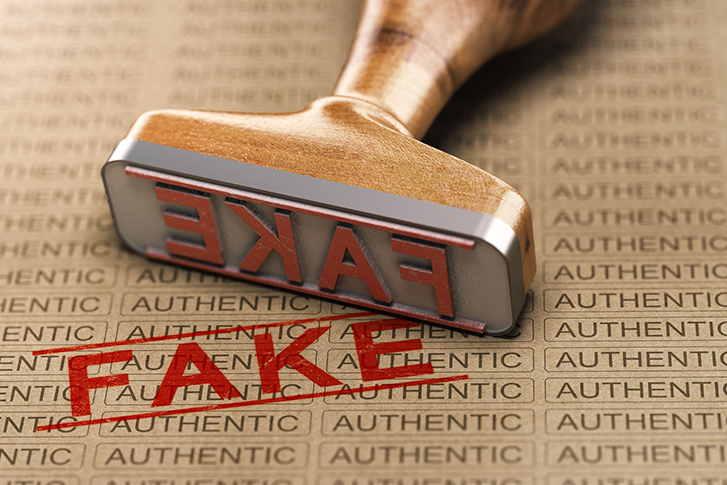
International customs agencies share databases of trademarks and holograms, so spotting fakes is easier than ever. Replica shirts, bootleg films or cracked software are intercepted, destroyed and may bring fines of up to ₹200,000. Even if the item is “only for personal use”, Indian law treats possession as an offence. The safest plan is simple: buy from authorised retailers and keep receipts inside the parcel so officers can verify authenticity quickly. This small step often cuts inspection time in half and avoids awkward questions for the recipient at collection. Genuine goods travel faster and safer.
Goods made from ivory, reptile skin, tortoiseshell, rare hardwood or stuffed wildlife are banned under CITES, which India enforces strictly. Raw meat, cheese and other perishable animal products also need veterinary certificates and import permits that most private senders cannot obtain. Even handmade wooden crafts can be delayed if the timber species is unclear. Choose synthetic leather, plant-based treats, or clearly labelled farmed-animal leather finished goods to stay on the safe side. For wildlife souvenirs, opt for photographic prints or ethically sourced resin replicas that look authentic yet carry no legal risk.

Objects over 100 years old from the Indian subcontinent fall under the Antiquities and Art Treasures Act 1972. Importing them without an Archaeological Survey clearance is prohibited, and officers can detain even low-value coins or miniatures until an expert arrives. Modern artworks disrespectfully depicting national emblems can also be confiscated. When you want to share Indian history, send a high-quality replica or a coffee-table photography book, not the original artefact. If you genuinely need to move an antique, consult a licensed art shipper who can arrange permits before the item leaves the UK.
Currency bans protect India’s financial system; weapon bans secure public safety; wildlife restrictions preserve biodiversity, and cultural controls safeguard heritage. Break a rule and you risk return fees, disposal costs or enhanced screening on every future shipment. Your recipient might also be called to a customs office, losing work days while they explain a parcel they never asked for. Ten minutes spent checking your list costs less than losing the parcel entirely. Besides, compliant shipments clear faster, meaning gifts arrive on birthdays, not weeks later, and customers review your business more positively. Everyone wins. Always.
Every successful courier to India follows one rule: know the law before you pack. Stay within the guidelines, declare goods honestly and choose a reputable carrier, and international shipping becomes almost as easy as domestic delivery. Keep this checklist handy, and your next parcel to India should glide through customs without a hitch. Happy shipping and happy reunions across the miles!